

We have devoted years dissecting online casino platforms, and one truth stands out: the gap between a forgettable session and a genuinely great experience boils down to a handful of concrete, verifiable factors nokycscasino.com. It is not merely about flashy graphics or a big welcome offer. The mechanics that differentiate the best real‑money games from the rest cover the calibre of the software studios behind them, the transparency of the maths models, how smooth the mobile interface performs, and whether the bonus terms actually provide you a fair shot at withdrawing. For UK players exploring the newer wave of no‑KYC casinos, these fundamentals are even more critical because the absence of mandatory identity checks transfers the emphasis onto technical trust. We’ll examine the seven pillars that consistently define top-tier online casino games, based on hundreds of titles and operator setups, so you know exactly what to look for before you make a bet.
The Power Behind the Slots: Software Providers and Game Fairness
When we evaluate a casino game, the first question is not about the theme but about who built it. Leading studios such as NetEnt, Pragmatic Play, Evolution, and Play’n GO build https://www.winnipegfreepress.com/arts-and-life/entertainment/celebrities/2020/05/27/in-wild-world-singer-kip-moore-turns-a-mirror-on-himself their standing by submitting every title to independent testing houses like eCOGRA or iTech Labs. These audits validate that the random number generator delivers statistically unpredictable outcomes and that the advertised return to player percentage holds true over millions of spins. A game from a certified provider running on a reputable platform offers you a mathematically fair environment, and that’s non‑negotiable. Beyond fairness, the provider influences the mechanical depth: Megaways engines from Big Time Gaming offer up to 117,649 ways to win, while Evolution’s live dealer streams utilize multi‑camera setups and trained croupiers to mirror a land‑based club feel. We also examine how frequently a studio introduces new titles and updates old ones. A portfolio that receives regular updates shows active investment in both security and player engagement. In a no‑KYC context, where you might register with only an email address, the integrity of the game’s code becomes your primary safeguard, so sticking with recognised providers is the most reliable quality filter you can use.

Understanding Return to Player and Volatility Frameworks
Top games do not hide their maths; they keep it accessible. Return to player (RTP) is the theoretical percentage of total wagers a game pays back over an extended cycle, and we routinely see top slots ranging between 96% and 98%. Anything below 94% is a red flag, especially when you are playing with real money. Equally important is volatility, which determines the rhythm of payouts. Low‑volatility titles such as Starburst produce frequent but smaller wins, making them ideal for steady bankroll management. High‑volatility beasts like Dead or Alive 2 can go through long dry spells before delivering a single massive hit. We recommend players to check the game’s help file or the provider’s website for these figures before loading the reels. The best operators present RTP and a volatility indicator directly in the game lobby, which shows they’re confident in the product. For table games, the house edge takes the place of RTP as the key metric; a European roulette wheel with a single zero carries a 2.7% house edge, while the American double‑zero version jumps to 5.26%. Comprehending these numbers transforms a blind punt into an informed decision, and that is what differentiates a casual click from a strategic session.
Bonus Structures That Actually Add Value
Offers are ubiquitous, but a top casino game session is often determined by the clarity of the bonus terms accompanying it, not merely the headline figure. We dissect wagering requirements, game contribution weightings and time limits because these decide whether a bonus is a real boost or a mathematical trap. A 100% deposit match up to £200 with a 35x wagering requirement on both the deposit and bonus means you must stake £14,000 before any withdrawal, which is high but still within the industry’s typical range. Far more worthwhile are offers that apply wagering only to the bonus amount or, better yet, deliver spins with no wagering at all. We also consider which games contribute to the playthrough. Many operators restrict slots to 100% while reducing table games to 10% or excluding them entirely, which can leave blackjack players powerless to clear a bonus. Maximum bet clauses are another pitfall; a £5 cap per spin while a bonus is active is standard, and breaking it can void your winnings. The most player‑friendly platforms display these conditions in plain language before you opt in. In a no‑KYC environment, where bonuses are often credited instantly upon deposit, the transparency of the terms becomes the deciding factor between a rewarding session and a frustrating one.
Mobile‑First Layout and Cross‑Platform Performance
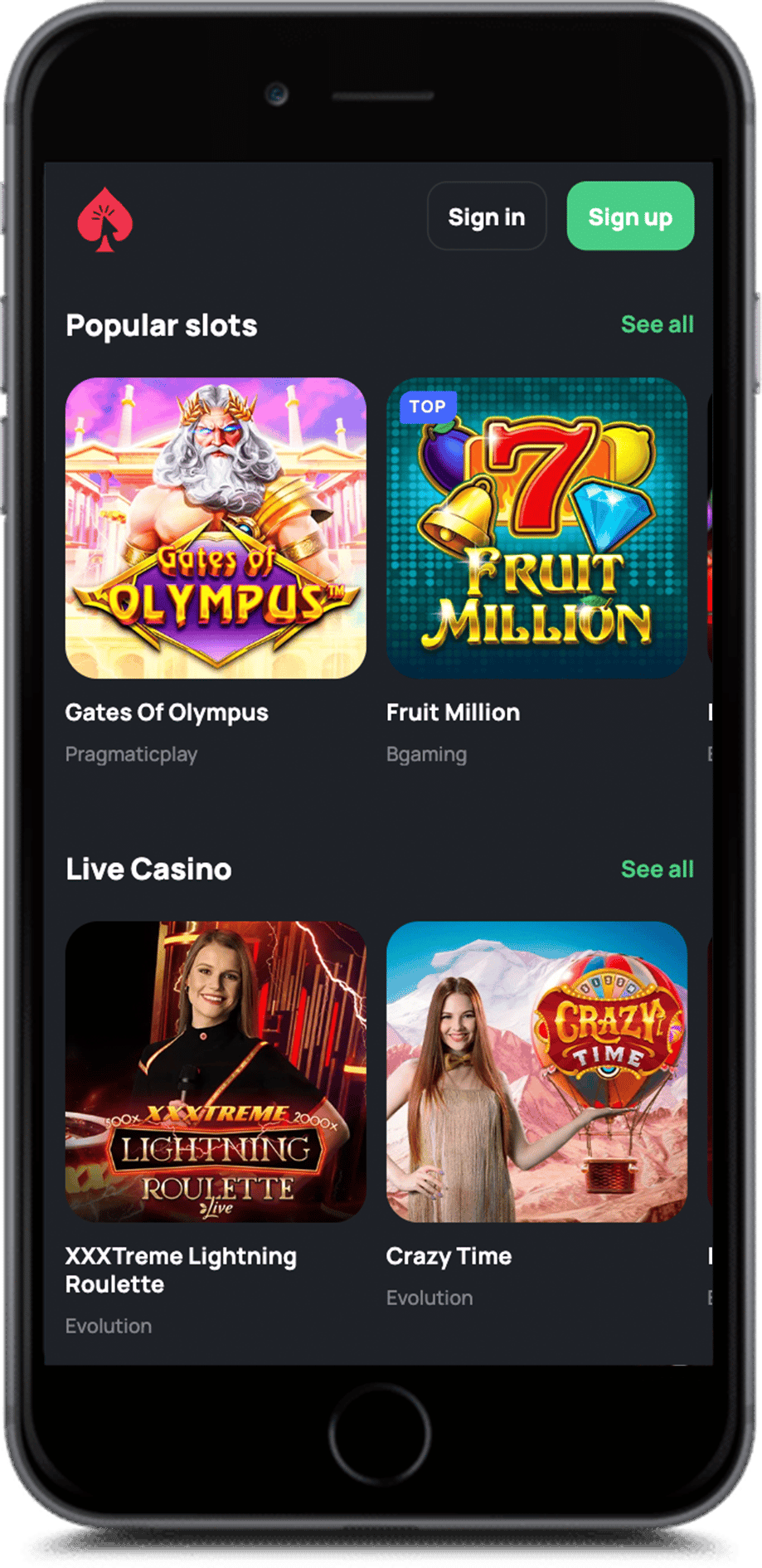
We no longer evaluate a casino game only by its desktop behavior. The most of UK traffic now comes from smartphones, and a game that stutters on a two‑year‑old iPhone or fails to resize properly on an Android tablet shatters the immersion right away. The top modern games are built in HTML5, which lets them to run right in a mobile browser without any app download, adjusting smoothly to portrait and landscape orientations. We pay close attention to touch‑target sizing: spin buttons, stake selectors and menu icons must be big enough to tap correctly, even on smaller screens. Load times matter too. A slot that takes more than five seconds to start up on a 4G connection will see players bounce before the reels even show up. Live dealer games present an additional challenge because they stream high‑definition video; the top providers use adaptive bitrate technology to keep a smooth feed even when the network changes. When we test a no‑KYC casino on mobile, we also confirm that the cashier and account settings are as responsive as the games themselves. A platform that compels you to switch to a desktop just to deposit or withdraw flunks the modern usability test, no matter how good its game catalogue seems on paper.
Payment Rails and the Pace of Funds Availability

The instant a player initiates a withdrawal, the casino’s performance gets scrutinized. We have determined that superior gaming experiences are inextricably linked from fast, reliable payment processing. Traditional methods like Visa and Mastercard debit cards remain widely used in the UK, but they generally take two to five working days to release funds. E‑wallets such as Skrill and Neteller often shorten that to under 24 hours once the account is confirmed. However, the real acceleration comes from cryptocurrencies and no‑KYC frameworks. Bitcoin, Ethereum and Litecoin withdrawals can be completed in minutes, and because the player’s identity has not been bound to a time-consuming document upload, the manual review queue is removed. We always examine the operator’s stated processing times and any fees applied. A casino that applies a flat £2.50 per withdrawal or requires a €5 equivalent minimum is still fair, but one that takes 72 hours just to process a request is lagging behind. The deposit experience matters too; instant bank transfers and open‑banking solutions like Trustly are turning into the benchmark. The velocity with which you can move from a winning spin to money in your bank account is one of the most tangible measures of a casino’s consideration for its players.
Regulation, Security and the Role of Privacy
We seldom disconnect game quality from the regulatory framework that encompasses it. A licence from the UK Gambling Commission enforces strict rules on game fairness, fund segregation and responsible gambling tools, but it also mandates full identity verification. For players who prize privacy, no‑KYC casinos commonly run under licences from jurisdictions such as Curacao or Anjouan. These regimes still require operators to maintain secure servers, SSL encryption and audited random number generators, but they do not oblige users to submit passports or utility bills before playing. The trade‑off is that dispute resolution and player protection may be less robust than under UKGC oversight. We seek platforms that supplement their licence with third‑party certifications from iTech Labs or GLI, and that publish the RTP of each game directly. Two‑factor authentication and cold storage of crypto funds are additional security signals we appreciate. A great casino game is only as trustworthy as the infrastructure that provides it. When you can verify the fairness of the game independently, through provably fair algorithms or published audit reports, the absence of a traditional KYC process does not necessarily mean a compromise on safety.
The No‑KYC Advantage: Privacy as a Core Feature
What distinguishes a modern online casino game is not just the audiovisual polish but the entire context in which you experience it. The emergence of no‑KYC platforms has transformed player expectations regarding privacy and speed. Instead of waiting days for a compliance team to validate a utility bill, you can create an account with an email address, fund with cryptocurrency and start enjoying a verified fair slot in just minutes. We have noticed that this frictionless entry does not detract from the gaming experience; if anything else, it strips away a layer of administrative friction that often dampens the excitement of a big win. The top no‑KYC casinos select their game libraries from the same high‑quality providers as their fully regulated counterparts, so the quality of the mathematics, the visuals and the mobile performance is identical. The key difference is in the user experience: rapid onboarding, near‑instant withdrawals and a default position of anonymity. For players in the UK who are comfortable managing their own risk and choose not to share personal documents online, this model provides a compelling alternative. The games themselves remain the star of the show, but the environment in which they function has evolved. When privacy is a deliberate design choice rather than an afterthought, the overall experience feels more respectful of the player’s time and independence.
